















Trade bodies warn of failures in UK business energy market
મંગળવાર 28th એપ્રિલ
 બંધ કરો

Leading trade bodies representing more than 200,000 businesses, have renewed calls for greater transparency in the business energy market to help tackle rising costs for small and medium-sized enterprises. (SMEs).
Ahead of a key session of the Business and Trade Select Committee upcoming review of the Government’s Industrial Strategy on 28 April, industry groups are warning that systemic transparency failures are driving up costs for SMEs at a critical moment for the economy.
Sarah Edwards MP, a member of the Committee, has recently called for improved trust and transparency within the business energy market. Her comments echo concerns raised by major industry groups, including UK Hospitality and Federation of Small Businesses, who warn that a lack of clarity in pricing continues to drive up costs for SMEs.
Trade bodies argue these are not isolated issues but signs of a market that is failing smaller firms.
The warnings come as energy costs remain volatile, with recent global shocks pushing up fuel prices and leaving some UK businesses, particularly in rural areas exposed to sharp increases and supply uncertainty.
Industry groups including UK Hospitality and the Federation of Independent Retailers are now urging the government to fast-track regulation of third-party intermediaries (TPIs), arguing that brokers operating without sufficient oversight are contributing to confusion, poor deals and higher costs.
Ministers have pledged reform but have yet to provide a timeline, fuelling frustration across the business community.
Sarah Edwards, MP for Tamworth and member of the Business and Trade Select Committee, said: “Small and medium-sized businesses are the backbone of our economy, yet too many are facing unnecessarily high energy costs due to a lack of transparency in the market. It is vital that we rebuild trust by ensuring clear pricing, proper oversight of intermediaries, and a system that works fairly for businesses of all sizes. I will continue pressing both ministers and Ofgem to urgently introduce the regulation needed to protect businesses and restore confidence in the market.”
Hetal Patel, National President of the Fed, said: “Rising energy costs hit our businesses hard because of the energy intensive way they operate – eating into margins and ultimately threatening their viability. Improving transparency in the energy market, making it more competitive, will help control these rising costs. The Fed backed the campaign at its launch in Westminster in February and is now urging the Government to act.”
Kate Nicholls, chair of UKHospitality said: “Energy is one of the biggest costs facing hospitality businesses and it only seems to be increasing, even more so in the aftermath of the conflict in the Middle East. “We have been clear that the business energy market is broken and lacking in transparency and competition, with hospitality businesses not getting a fair deal. It’s crucial that the Government take action to fix the energy market for our local hospitality businesses.”
Tina McKenzie, policy chair at the Federation of Small Businesses (FSB), said: “Small business owners already have a lot on their plates – having to spend hours trying to work out if they are being offered a fair price for their business’s energy needs is a complication they just don’t need. Transparency allows for better levels of true competition, and reduces the risk that small firms will end up stuck on unsuitable or exploitative tariffs. The legislation to bring in more oversight of energy brokers can’t come soon enough, and will improve small businesses’ confidence in the fairness of the energy market.”
Chris Owen, energy policy lead at the BRC, said: “Retailers are facing some of the highest energy costs in Europe, with ongoing volatility in the Middle East continuing to push prices upward. As an energy-intensive sector, the price of gas and electricity impacts everything from refrigeration and heating to transport and logistics, making them particularly exposed to rising costs. The Trust and Transparency Charter was a good start but further reforms are still needed. This includes making energy billing even more transparent, tackling the growing burden of non-commodity costs and standing charges, and ensuring retailers can benefit from support schemes available to other energy-intensive industries.”
Charlie Mercer, policy director from Startup Coalition said: “Startups and small businesses are being hit by energy costs that are not only high, they are unclear and unpredictable. A lack of transparency in pricing and weak oversight of intermediaries is actively driving up costs and undermining confidence. This cannot be allowed to drift any longer. We need urgent action to bring proper transparency and regulation to the market so SMEs are no longer left exposed to avoidable costs”
ACS chief executive Ed Woodall said: “Independent retailers often have the same level of resource and expertise about the energy market as domestic consumers, but do not benefit from the same protections. With almost one in ten retailers reporting they have been overcharged by their energy supplier, the gap in these safeguards is having real consequences. Businesses need transparency across every element of their energy contract, enforced by the regulator, so they can understand what they’re paying for, challenge it where necessary, and take proper control of their costs.”

The Fed continues call for government to consider impact of above-inflation wage cost rises on small businesses
 વધુ જાણો
Self Assessment deadline incoming – 100 days to go
વધુ જાણોIndependent retailers question whether falling shop theft figures tell the full story
વધુ જાણો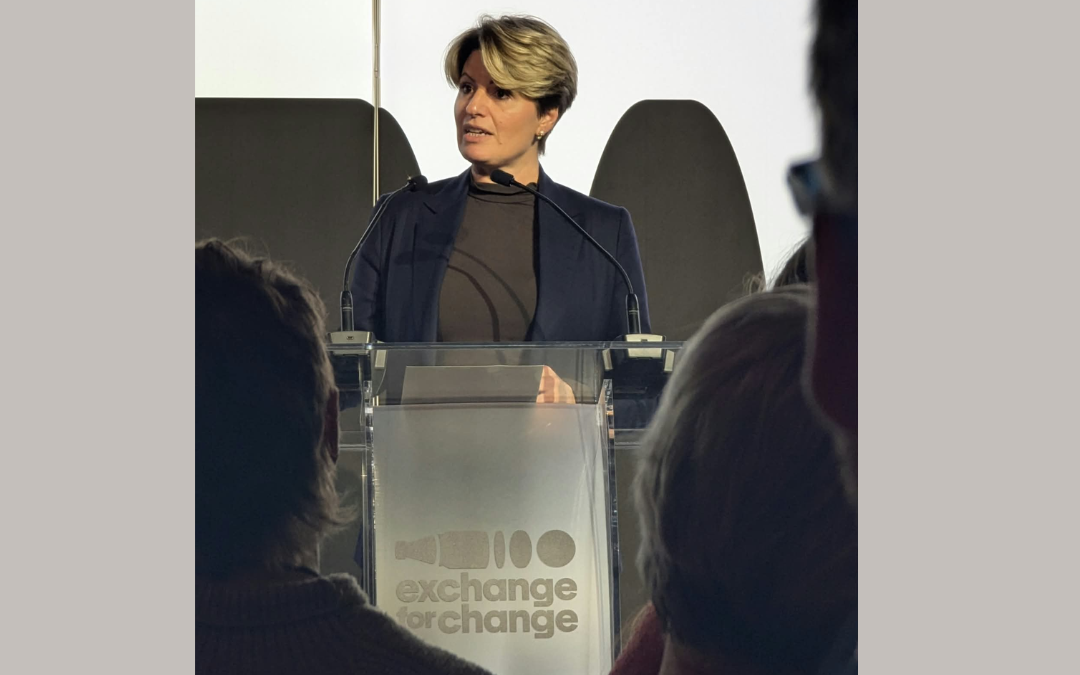
The Fed attends Exchange for Change event marking less than a year to go on DRS
વધુ જાણો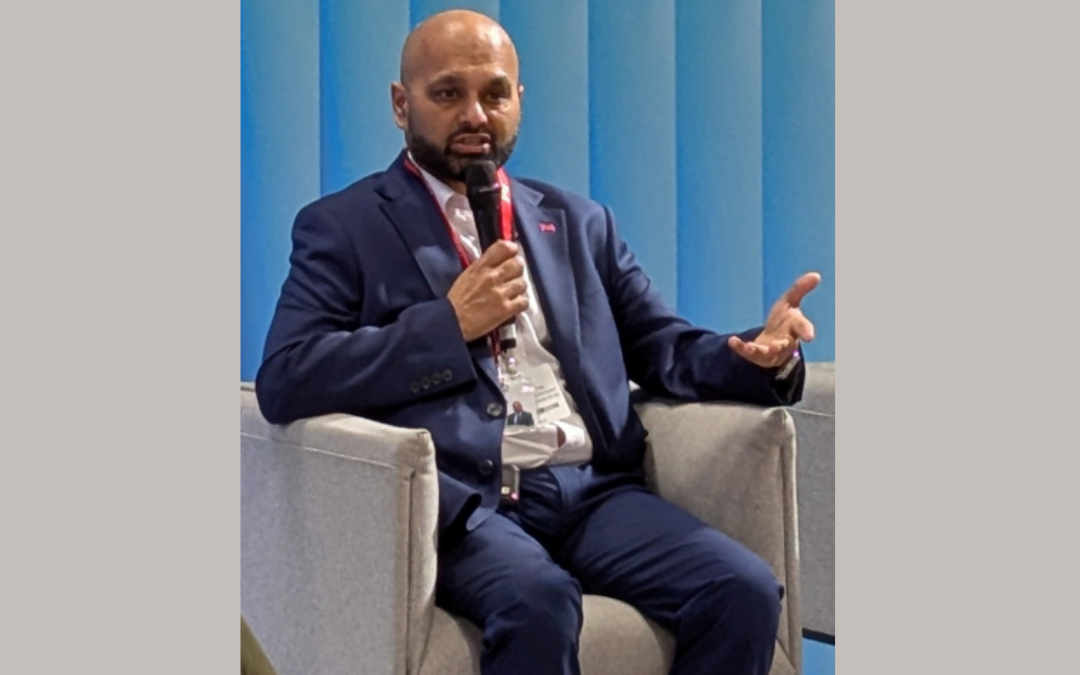
Fed President joins Retail Crime Forum with Crime and Policing Minister, Sarah Jones MP
વધુ જાણો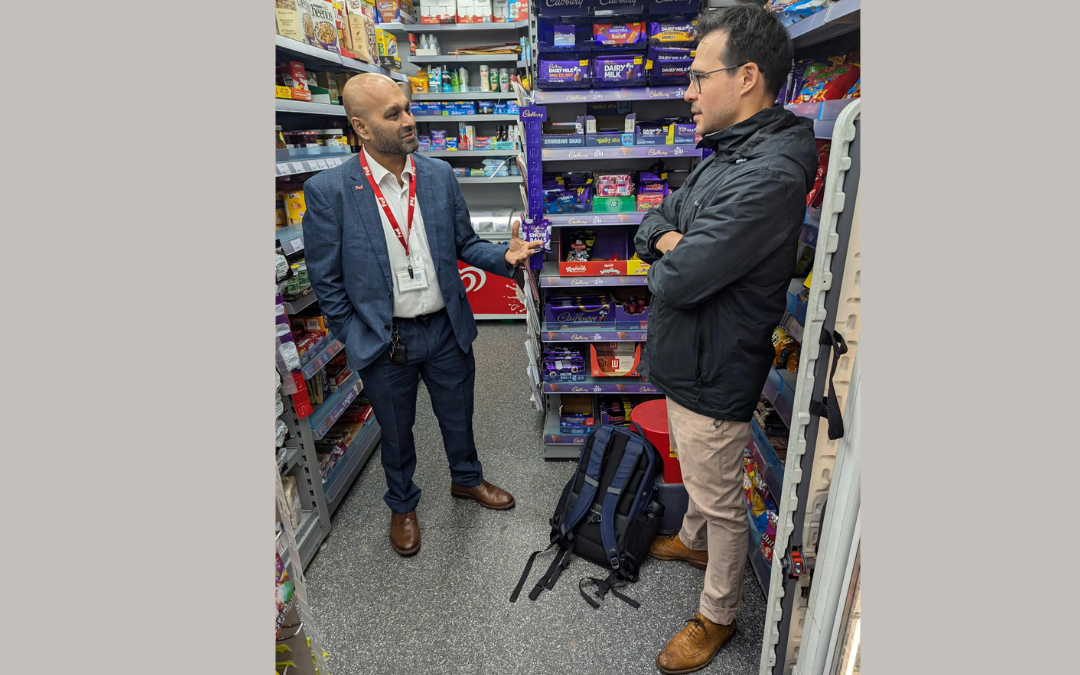
The Fed’s National President, Hemanshu Patel, catches up with Tony Vaughan MP
વધુ જાણો