















The Fed welcomes introduction of Respect Orders as part of Government push to tackle Anti-Social Behaviour
শুক্রবার 17th জুলাই
 বন্ধ করা

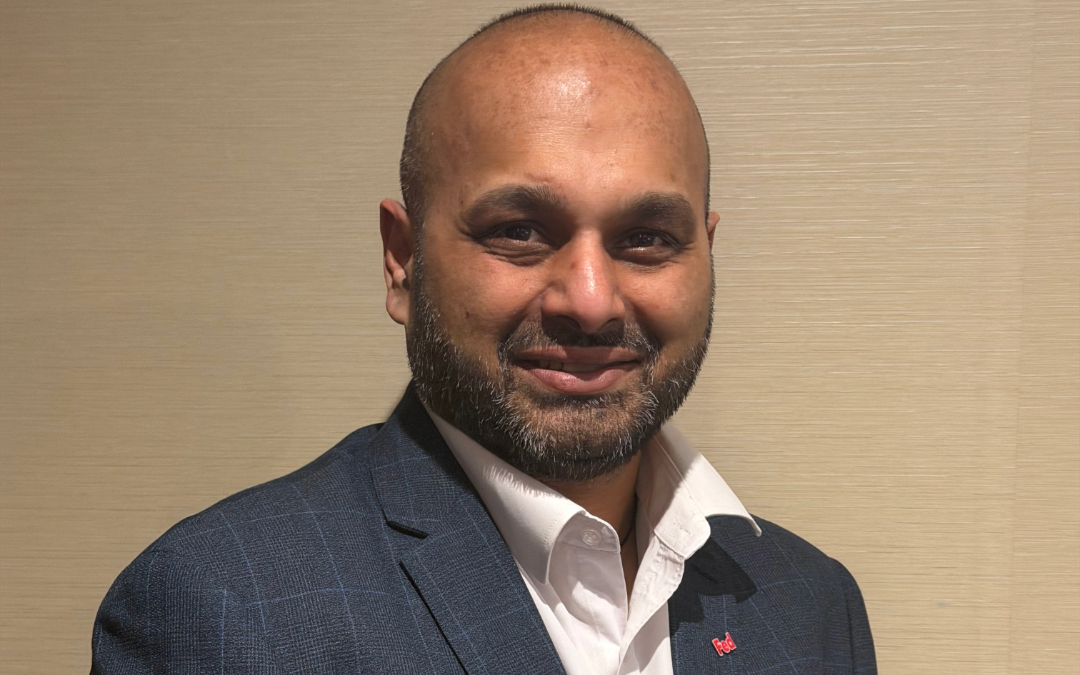
Having raised members’ concerns about anti-social behaviour including harassment and vandalism with government ministers over recent months, the Fed’s National President Hemanshu Patel has welcomed this week’s announcement of a new Respect Order to make high streets safer.
The Home Office has said the new tool, which takes effect from October 26 this year and forms part of the Crime and Policing Act which the Fed has backed, will enable police and local councils to take stronger enforcement action to tackle relentless adult offenders – including prison sentences. The Home Office has said officers will be able to ban individuals from town centres or stop them drinking in public hotspots like high streets and local parks. Offenders can also be compelled to undertake drug or alcohol treatment to anger management courses as part of the measures, instead of simply being allowed to return to the streets and start the cycle again.
Commenting, Mr Patel said: “The Fed has raised the challenge of Anti-Social Behaviour on High Streets – impacting many of our members – as well as the related challenges of theft and rogue trade with the Government in recent months. This included last year’s meeting I attended at the Home Office as Vice President, along with my predecessor, Hetal Patel, so this announcement is welcome.
“Anti-social behaviour wreaks a real negative emotional and financial toll on our members and their staff. Whilst ASB is not a new thing, we welcome new focus from the Government on this and the Fed will engage with Government on the implementation of these measures and review what success they have.”
Crime and Policing Minister, Sarah Jones MP, said: “Antisocial behaviour can devastate lives. Behind every statistic are residents who want to feel safe where they live, and neighbourhoods held hostage by the same repeat offenders.
“Respect Orders will ban perpetrators from the places they blight, force them to confront the causes of their behaviour and make breaching one a criminal offence with serious consequences, including prison.”
The Fed continues call for government to consider impact of above-inflation wage cost rises on small businesses
 আরও জানুন
Self Assessment deadline incoming – 100 days to go
আরও জানুনIndependent retailers question whether falling shop theft figures tell the full story
আরও জানুন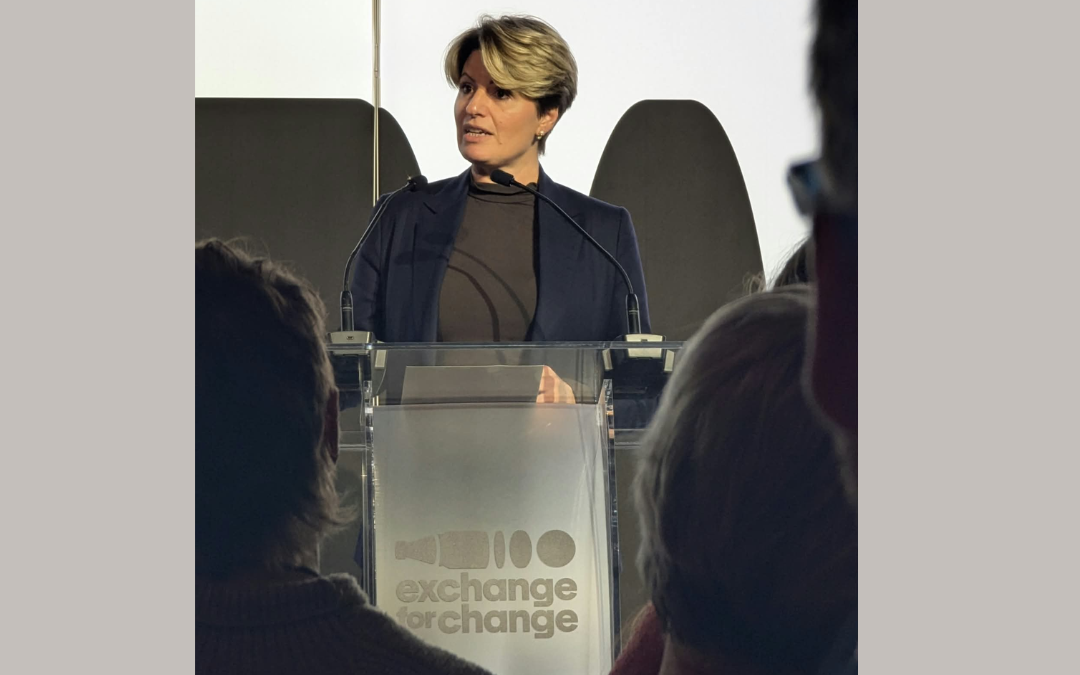
The Fed attends Exchange for Change event marking less than a year to go on DRS
আরও জানুন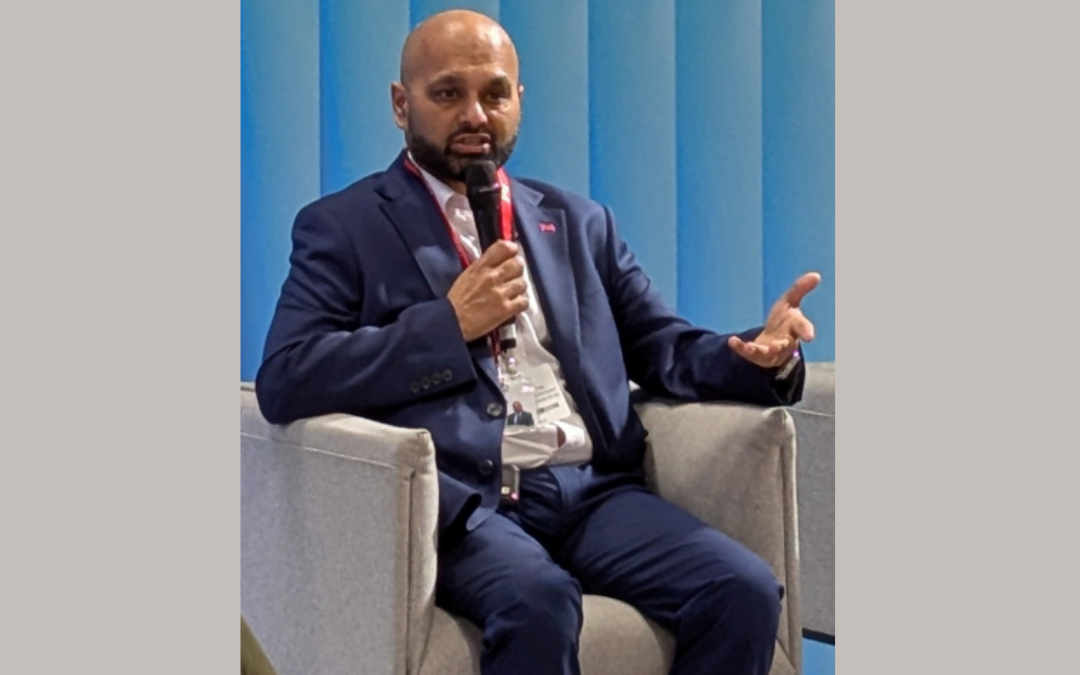
Fed President joins Retail Crime Forum with Crime and Policing Minister, Sarah Jones MP
আরও জানুন
The Fed’s National President, Hemanshu Patel, catches up with Tony Vaughan MP
আরও জানুন