











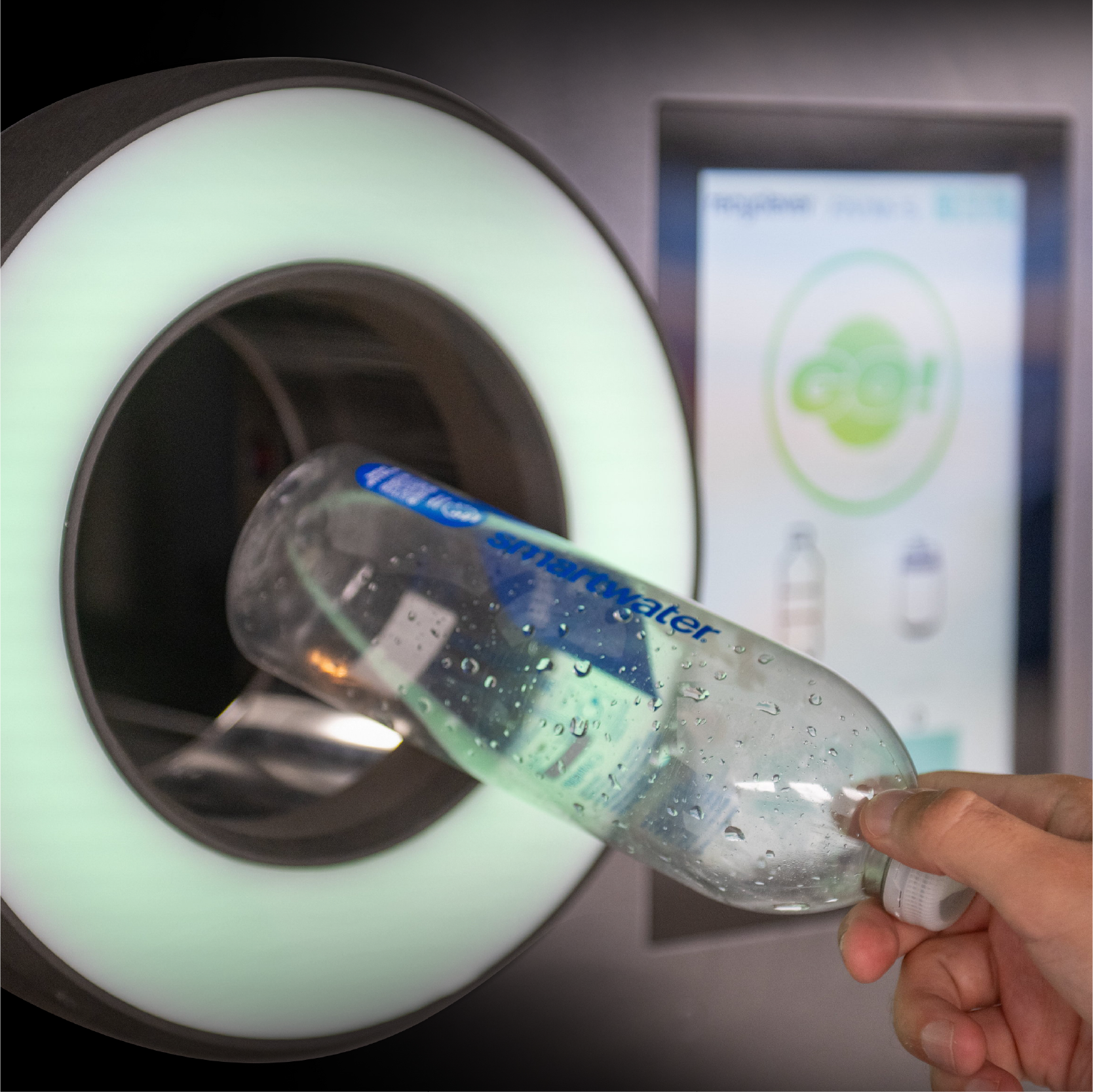


The Deposit Return Scheme (DRS) represents a major change to the way drinks containers are sold, returned and recycled.
Our DRS Knowledge Hub brings together the latest information, guidance and practical resources to help businesses understand what the scheme means for them — and prepare with confidence.
DRS Explained
Not sure how the Deposit Return Scheme will work?
Our guides break down the key elements of DRS in clear, straightforward language,
helping you understand the scheme without getting lost in technical detail.
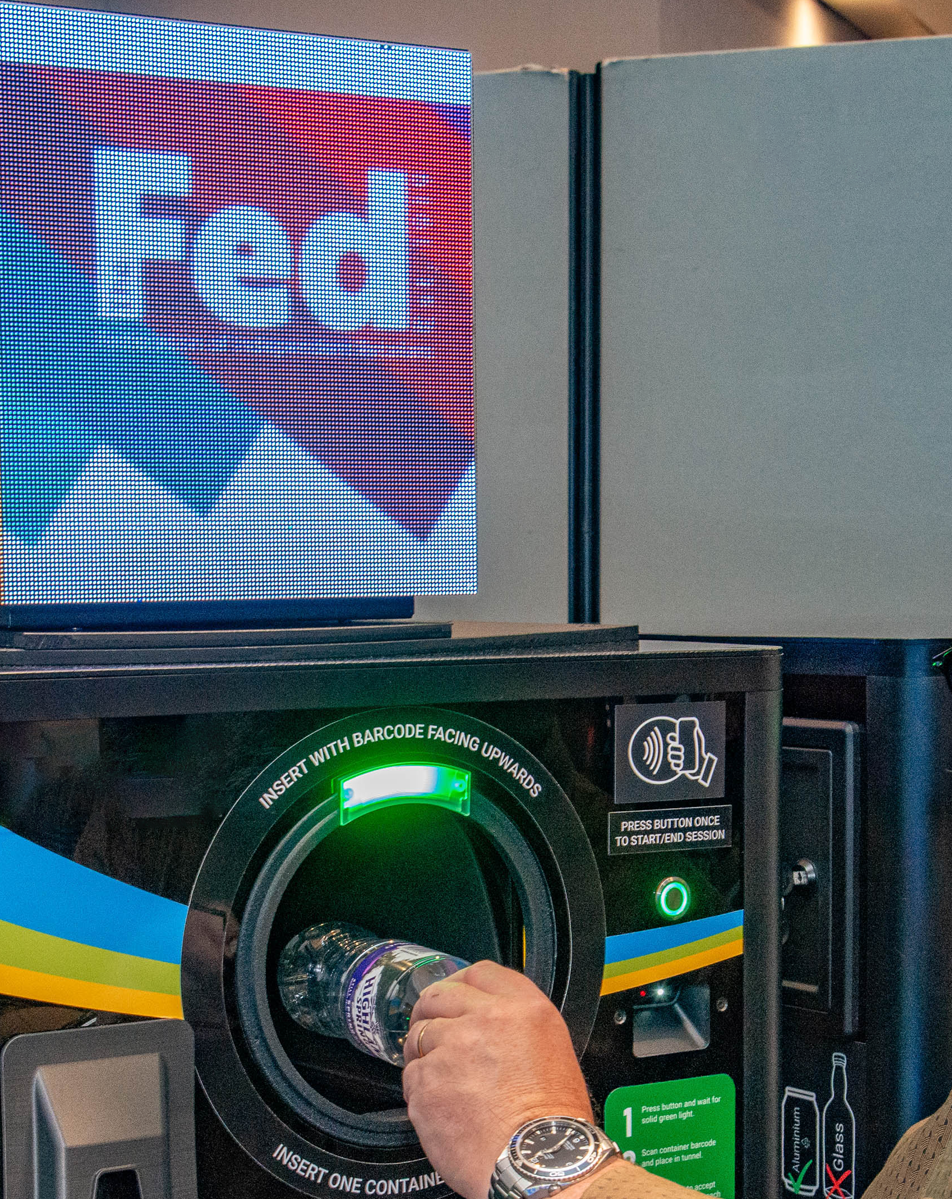
DRS Updates
Keep up with the latest announcements, consultations, policy changes and implementation updates.
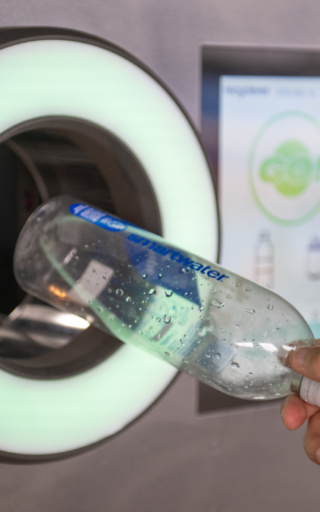
DRS grant criteria confirmed by Exchange for Change


Exchange For Change opens registration for Deposit Return Scheme
The Fed responds as Exchange for Change announces new UK recycling infrastructure to deliver DRS

Fed member Kaual Patel tells Labour conference that small shops are vital to success or failure of DRS
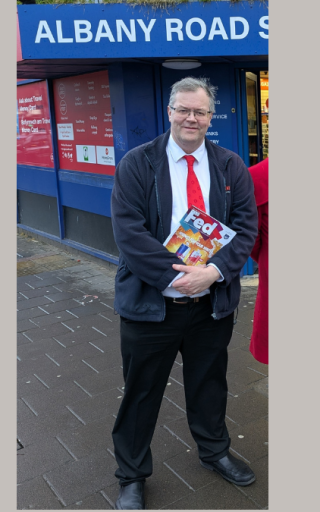
The Fed welcomes announcement of DMO in Wales but continues to seek clarity on glass
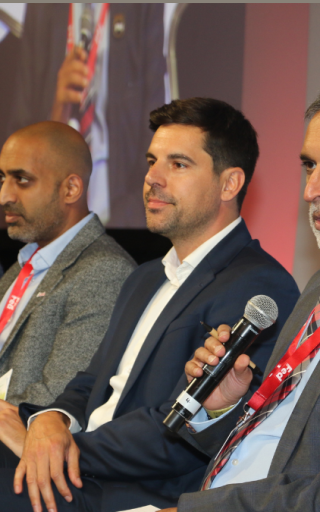
Fed Conference Panel Tells members: “Don’t Risk Sales” over DRS.
The Fed gives a cautious welcome to handling fees for DRS

The Fed Continues call for Faster Application of DRS in Wales
The Fed Welcomes Confirmation of DRS Deposit at 20p
Fed’s National President Backs Grant for DRS for Independent Retailers
Deposit Return Scheme “Exchange for Change” Logo Confirmed as Fed Members Urged to Prepare
The Fed Welcomes Webinars Explaining Exchange for Change – the UK’s Deposit Return Scheme for Recycling
Fed Monitors the Development of DRS

DRS – Frequently Asked Questions
Helping you navigate the Deposit Return Scheme and answering the most common questions.
What is the Deposit Return Scheme?
From 1 October 2027, most drinks bottles and cans sold in England, Scotland and Northern Ireland will carry a 20p deposit. Customers pay it when they buy the drink and get it back when they return the empty container.
The scheme covers single-use plastic bottles and metal cans between 150ml and 3 litres. Glass isn’t included. Shops that sell these drinks will generally need to take empties back and refund the deposit, either over the counter or through a reverse vending machine. They’re then reimbursed for those deposits.
The scheme is run by Exchange for Change, a not-for-profit body set up by the drinks industry. The idea is simple: give people a reason to bring containers back, so fewer end up as litter and more get recycled.
Wales is planning its own scheme, which will include glass. Not all the details have been confirmed yet.
Who will be affected by DRS?
Nearly everyone who makes, sells or buys drinks in plastic bottles or cans.
Shoppers will pay an extra 20p on each eligible bottle or can. They get it back when they return the empty container.
Shops that sell these drinks will need to add the deposit to the price and show customers that it’s being charged. Most will also need to take empties back and refund the deposit, either at the till or through a reverse vending machine. Some stores can apply for an exemption, for example if they’re very small or there’s another return point nearby. The shop is then reimbursed for the deposits it refunds and paid a handling fee for each container it takes back.
Drinks producers and importers will need to register with Exchange for Change and pay into the scheme. They will also need to put the DRS logo and barcode on their bottles and cans.
Wholesalers and cash and carries will be selling stock that includes the deposit. Retailers will see this reflected in the prices they pay.
If you sell drinks in plastic bottles or cans in England, Scotland or Northern Ireland, the scheme will almost certainly apply to you. Wales has its own scheme, and the rules there may differ.
When will DRS begin
The scheme starts on 1 October 2027 in England, Scotland and Northern Ireland. From that date, eligible plastic bottles and cans will carry a 20p deposit, and customers will be able to start returning their empties.
There’s preparation to do before that. Producers, importers and retailers will need to register with Exchange for Change ahead of the launch. Stores that want to apply for an exemption from taking returns will also need to do so in advance. Some shops will need to install reverse vending machines or set up a space for collecting containers, so it’s worth planning early.
Wales is aiming for a similar start date for its own scheme, but many of the details there are still to be confirmed.
We’ll update this page as the registration deadlines and other key dates are announced.
How will deposits and refunds work?
When a customer buys a drink in an eligible bottle or can, 20p is added to the price. That 20p is a deposit, not a charge. They get it back when they return the empty.
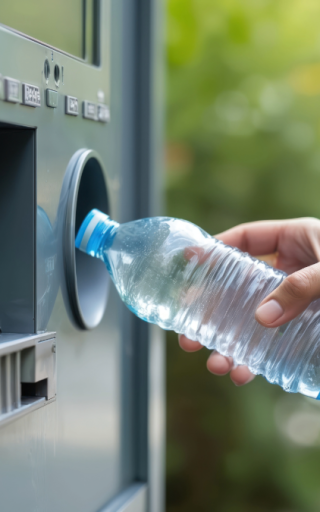
Customers can take empties to any return point. It doesn’t have to be the shop where they bought the drink. Returns can be made at the counter or through a reverse vending machine. The refund is usually given as cash or a voucher to spend in store. Containers will need to be empty and reasonably intact, with the DRS logo and barcode still readable, so they can be scanned.
Behind the scenes, the deposit travels through the supply chain. The producer pays it to Exchange for Change when the drink goes on sale. It’s then built into the price at each step, from wholesaler to retailer to customer. When a shop refunds a customer, it claims that money back from Exchange for Change. The shop also receives a handling fee for each container it takes back, to help cover the cost of running the return point.
For multipacks, the deposit applies to each container, so a pack of six cans carries a £1.20 deposit.
What does this mean for my business?
If you sell drinks in plastic bottles or cans, DRS will affect your shop in a few ways.
You’ll be charging the deposit. Every eligible bottle and can you sell will carry a 20p deposit on top of the price. Your till system will need to handle it, and you’ll need to display notices telling customers about the deposit. Your wholesaler will charge you the deposit when you buy stock, so you’ll be paying it upfront and passing it on.
You’ll probably be taking returns. Most shops will need to accept empty containers and refund the 20p. You can do this manually at the counter or with a reverse vending machine. If your shop is very small, or there’s another return point close by, you may be able to apply for an exemption.
You’ll need space. Returned containers have to be stored until they’re collected, so think about where they’ll go and how that fits with your stockroom.
There’s money coming back. You’ll claim back the deposits you refund, and you’ll be paid a handling fee for every container you take. Keep an eye on cash flow in the early months, as you’ll be paying deposits to suppliers before you’ve claimed refunds back.
Your staff will need to know how it works. Customers will have questions, especially in the first few weeks, so make sure everyone on the till understands the basics.
The most useful things you can do now are to check whether your EPOS supplier is preparing for DRS and to think about how returns would work in your shop. Watch out for the registration and exemption deadlines too. We’ll share these as soon as they’re confirmed.
Which solution is right for my business?
There are three main options, and the right one depends on how many drinks you sell, how much space you have and how busy your counter gets.
Manual returns at the counter. Staff take empties from customers, check them and give the refund. There’s no equipment to buy, so it’s the cheapest way to start. It suits smaller shops that don’t expect huge volumes. The downside is time. At busy periods, returns can slow down the queue, and you’ll need somewhere behind the counter to put containers until they’re collected.
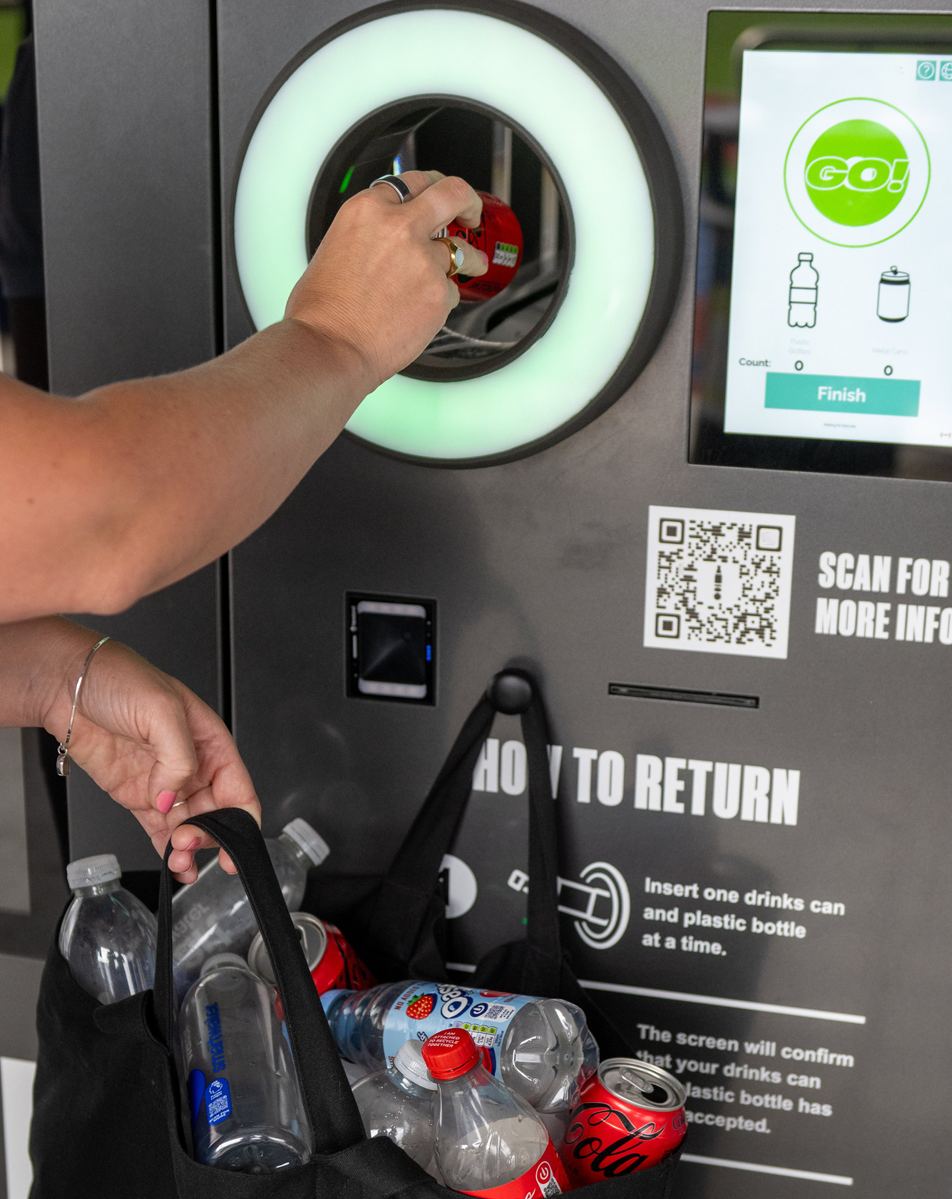
A reverse vending machine. Customers feed their empties into the machine, which scans each one and prints a voucher or refund slip. It takes the work off your staff and keeps returns away from the till, so it makes most sense for larger stores or shops that sell a lot of drinks. Machines aren’t cheap to buy or lease, though, and they need floor space, a power supply and regular emptying.
Applying for an exemption. Some shops won’t have to take returns at all, for example if the premises are very small or there’s another return point nearby. You’ll still need to charge the deposit, but you won’t have to give refunds. Bear in mind that customers who can’t return containers to you may choose to shop where they can.
To help decide, it’s worth asking yourself a few questions:
- Roughly how many bottles and cans do you sell in a week?
- Do you have floor space for a machine, or storage for returned containers?
- How busy is your till at peak times?
- Is there another shop nearby likely to take returns?
The handling fee you’ll be paid for each container will make a big difference to the numbers. We’ll share it as soon as it’s confirmed, along with guidance on the exemption criteria.